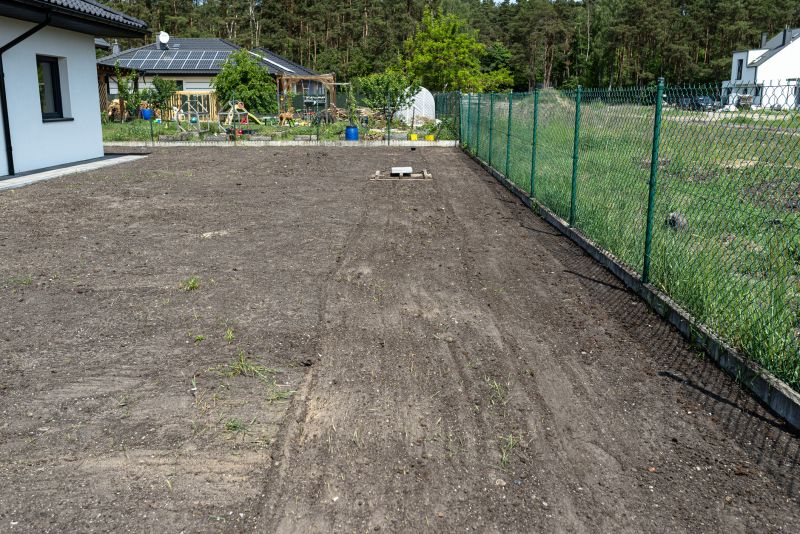
Lawn Leveling in Houston, TX
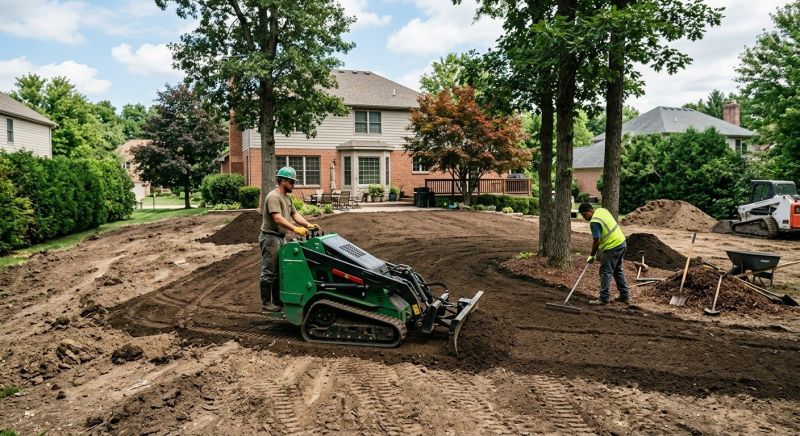
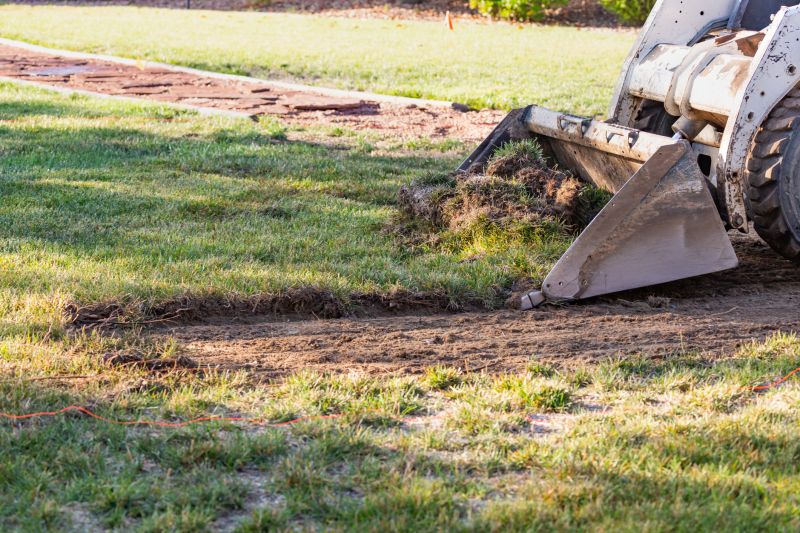
Lawn leveling services involve adjusting the terrain of a yard to create a smooth, even surface. This process is commonly used to address uneven areas caused by settling, erosion, or poor initial grading, making the lawn safer and more visually appealing. Projects can range from minor corrections to larger areas where the ground needs to be regraded for proper drainage and a uniform appearance. Property owners often seek this service when preparing a yard for new landscaping, installing features like patios or lawns, or simply wanting a more level and functional outdoor space.
Before requesting lawn leveling, property owners should consider the extent of unevenness and the underlying causes. It’s helpful to understand whether the issue is localized or widespread, as this impacts the scope of work needed. Additionally, knowing the soil type and drainage patterns can influence the approach taken to achieve a stable, long-lasting result. Proper planning ensures the yard remains functional and attractive after the project is completed.
Many property owners in Houston, TX look into Lawn Leveling for repairs, replacements, upgrades, and appearance-related improvements.
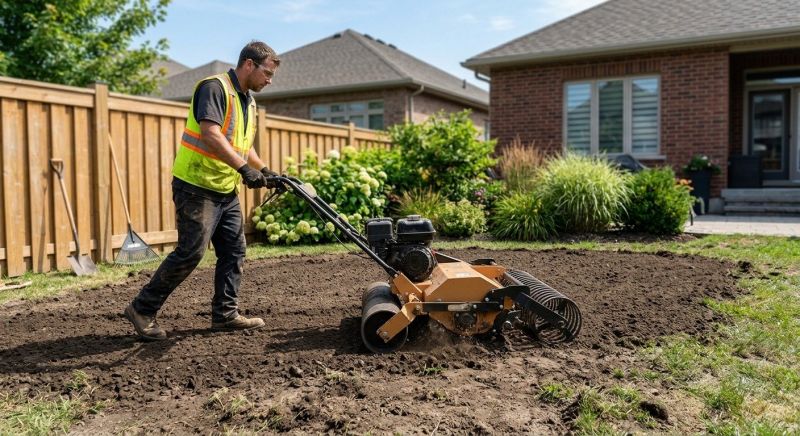
Benefits Of Lawn Leveling
A leveled lawn enhances drainage, reduces erosion, and improves overall appearance.
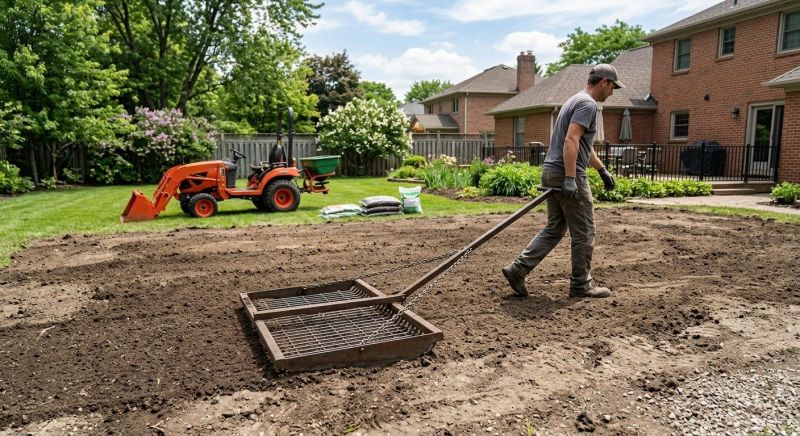
Common Lawn Issues Addressed
Lawn leveling can correct uneven terrain caused by settling, drought, or heavy rainfall.
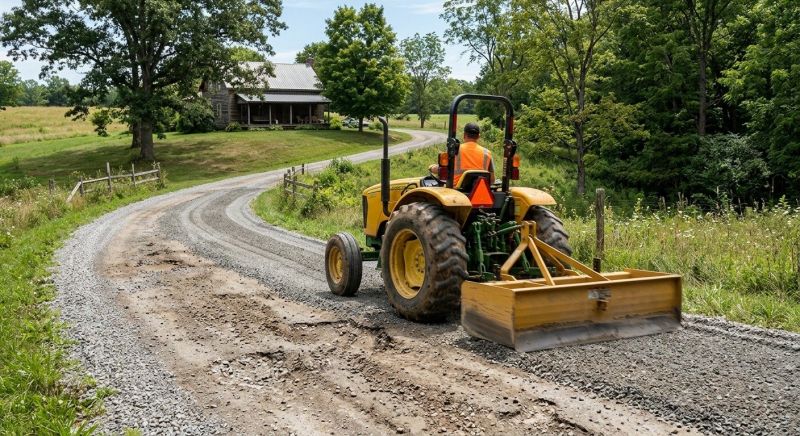
Ideal For Property Improvements
Leveling services are suitable for preparing yards for new landscaping or outdoor features in houston, tx.
Lawn Leveling in Houston, TX

Lawn leveling services involve adjusting the terrain of a yard to create a smooth, even surface. This process is commonly used to address uneven areas caused by settling, erosion, or poor initial grading, making the lawn safer and more visually appealing. Projects can range from minor corrections to larger areas where the ground needs to be regraded for proper drainage and a uniform appearance. Property owners often seek this service when preparing a yard for new landscaping, installing features like patios or lawns, or simply wanting a more level and functional outdoor space.
Before requesting lawn leveling, property owners should consider the extent of unevenness and the underlying causes. It’s helpful to understand whether the issue is localized or widespread, as this impacts the scope of work needed. Additionally, knowing the soil type and drainage patterns can influence the approach taken to achieve a stable, long-lasting result. Proper planning ensures the yard remains functional and attractive after the project is completed.
Many property owners in Houston, TX look into Lawn Leveling for repairs, replacements, upgrades, and appearance-related improvements.
Common Lawn Leveling Jobs
Residential lawn leveling - smoothing uneven areas for a more even and attractive yard.
Commercial property leveling - ensuring a safe and professional appearance for business landscapes.
Spot leveling repairs - addressing specific low spots or high areas to improve drainage.
Large-scale yard leveling - preparing expansive lawns for planting, seeding, or new turf installation.
Old lawn correction - fixing uneven patches caused by erosion, settling, or heavy use.
New lawn prep - creating a flat surface for sod or seed installation to promote healthy growth.
Lawn Leveling Questions
What is lawn leveling? Lawn leveling involves smoothing out uneven areas to create a flat, even surface for better appearance and functionality.
When should lawn leveling be considered? It is useful when there are mounds, dips, or uneven patches that affect mowing, drainage, or overall yard aesthetics.
What types of projects are suitable for lawn leveling? Projects include addressing low spots, filling in holes, or preparing a yard for seeding or new landscaping.
How does lawn leveling improve a property? It enhances the yard’s appearance, improves drainage, and creates a safer, more usable outdoor space.
Request Lawn Leveling in Houston, TX
Use the quote form on this page to share the basics of your project and request more information for the type of work you need.